Kengtung (Chiang Tung): Journey into the Heart of the Tai Khün Shan Kingdom
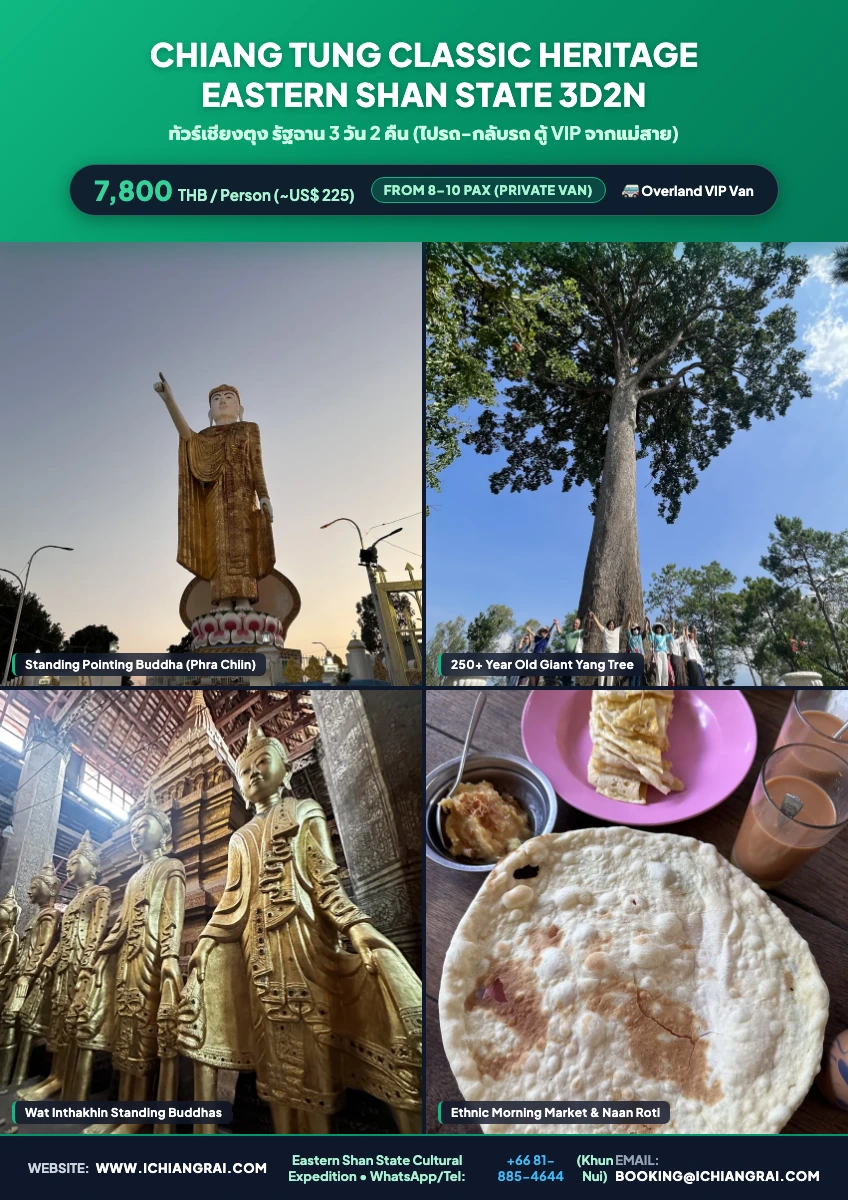
📌 1-Minute Trip Highlights
- Explore the ancient 'City of 3 Hills, 7 Towns, 9 Lakes, 12 Gates' layout.
- Discover the historical traces of the Sawbwa's Royal Palace and Tai Khün monasteries.
- Savor unique Tai Khün cuisine: Khao Ram Fuen, Khao Soi Noi, and Khai Paen.
- Immerse yourself in the vibrant morning market and local tea culture.
- Best time to visit: October to February (cool, dry season).
- Access via Mae Sai/Tachileik border, check latest Myanmar visa & permit regulations.
1. Journey to Kengtung & First Impressions: A Step Back in Time
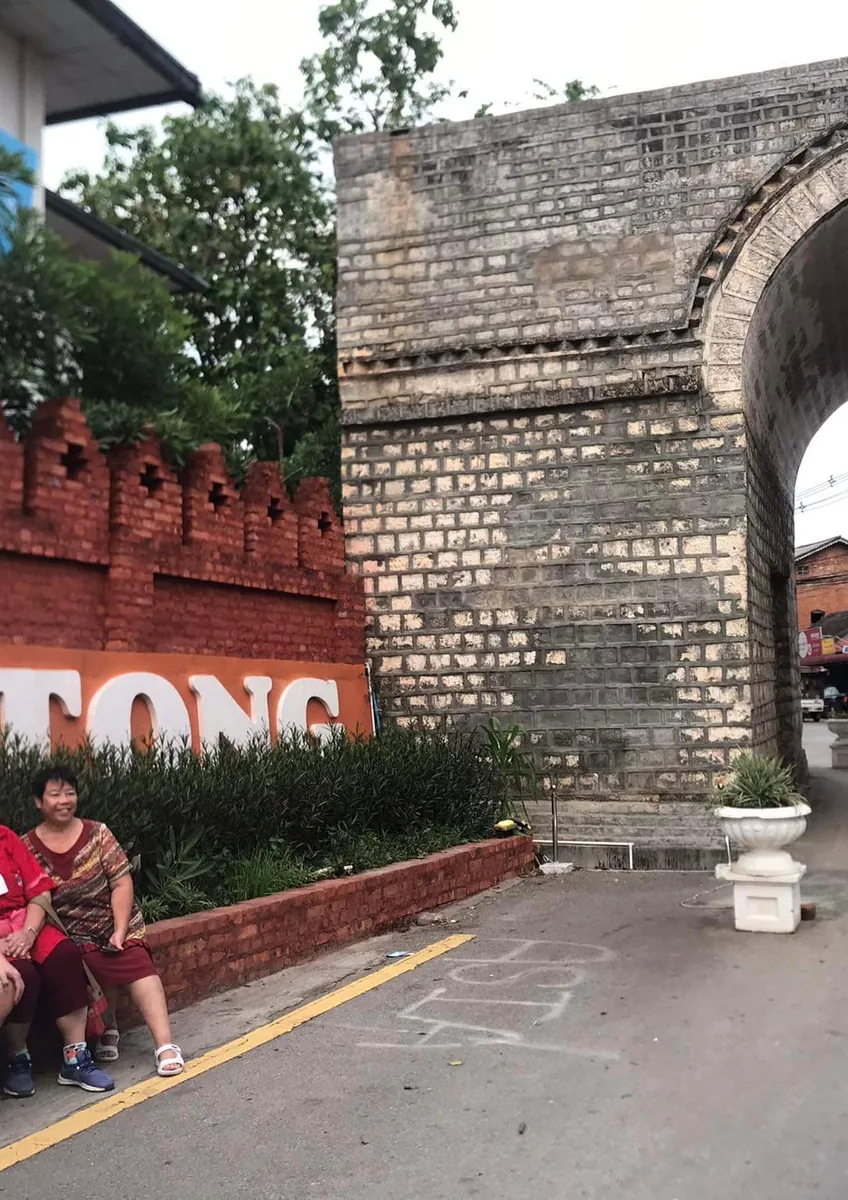
The journey to Kengtung often begins from Thailand's Mae Sai border crossing into Tachileik, Myanmar, offering a scenic overland route that sets the tone for the adventure ahead. As you arrive, Kengtung immediately captivates with its laid-back atmosphere, a stark contrast to the more bustling cities of Southeast Asia. The air is filled with the scent of local spices and the gentle hum of daily life. You'll notice the distinctive Tai Khün architecture, a blend of traditional Shan design and subtle British colonial influences, reflecting its complex history. The city's unique layout, famously known as '3 Jom (hills), 7 Chiang (towns/settlements), 9 Nong (lakes/ponds), and 12 Pratu (gates),' speaks volumes about its strategic importance and ancient urban planning, inviting you to uncover its layers of history.
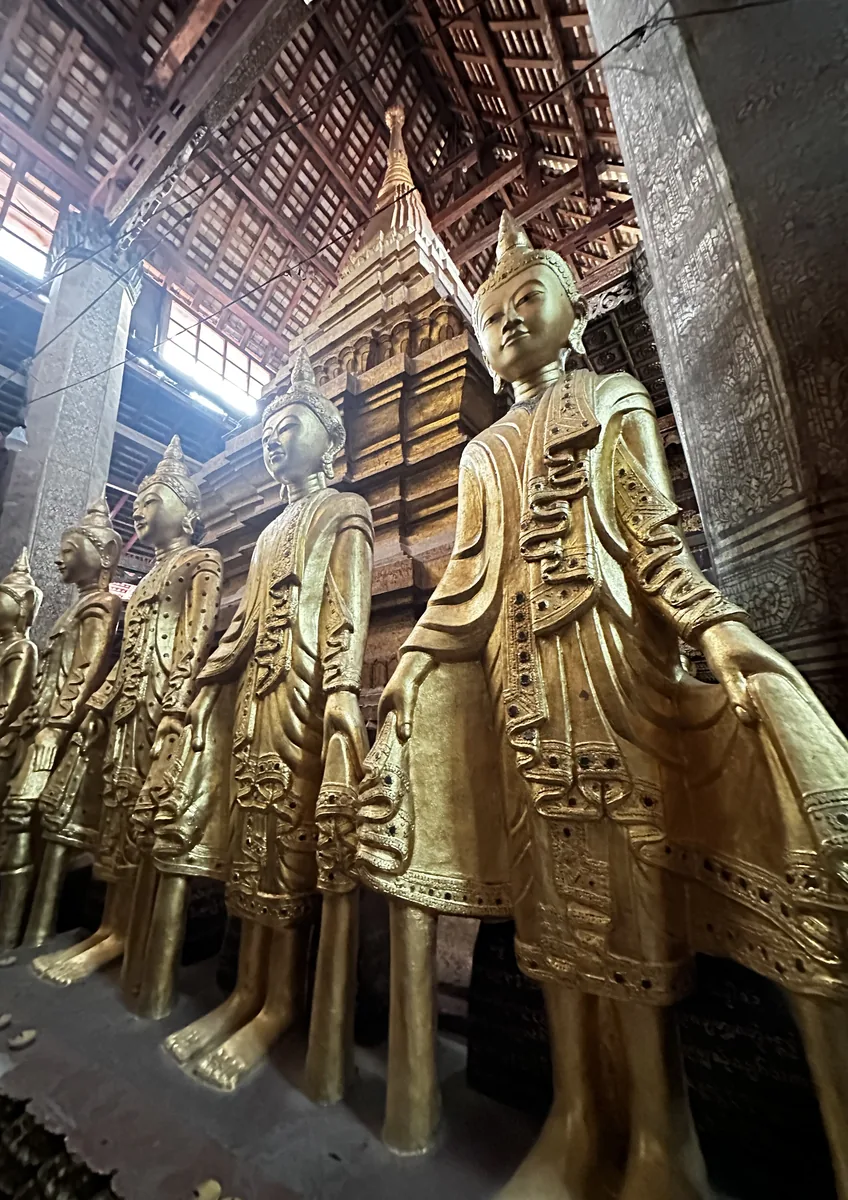 Atmosphere & Cultural Heritage in Chiang Tung (Kengtung)
🎬 Watch Travel Video: Kengtung (Chiang Tung): Journey into the Heart of the Tai Khün Shan Kingdom
2. Must-Visit Cultural Landmarks & Heritage Spots: Tracing the Sawbwa's Legacy
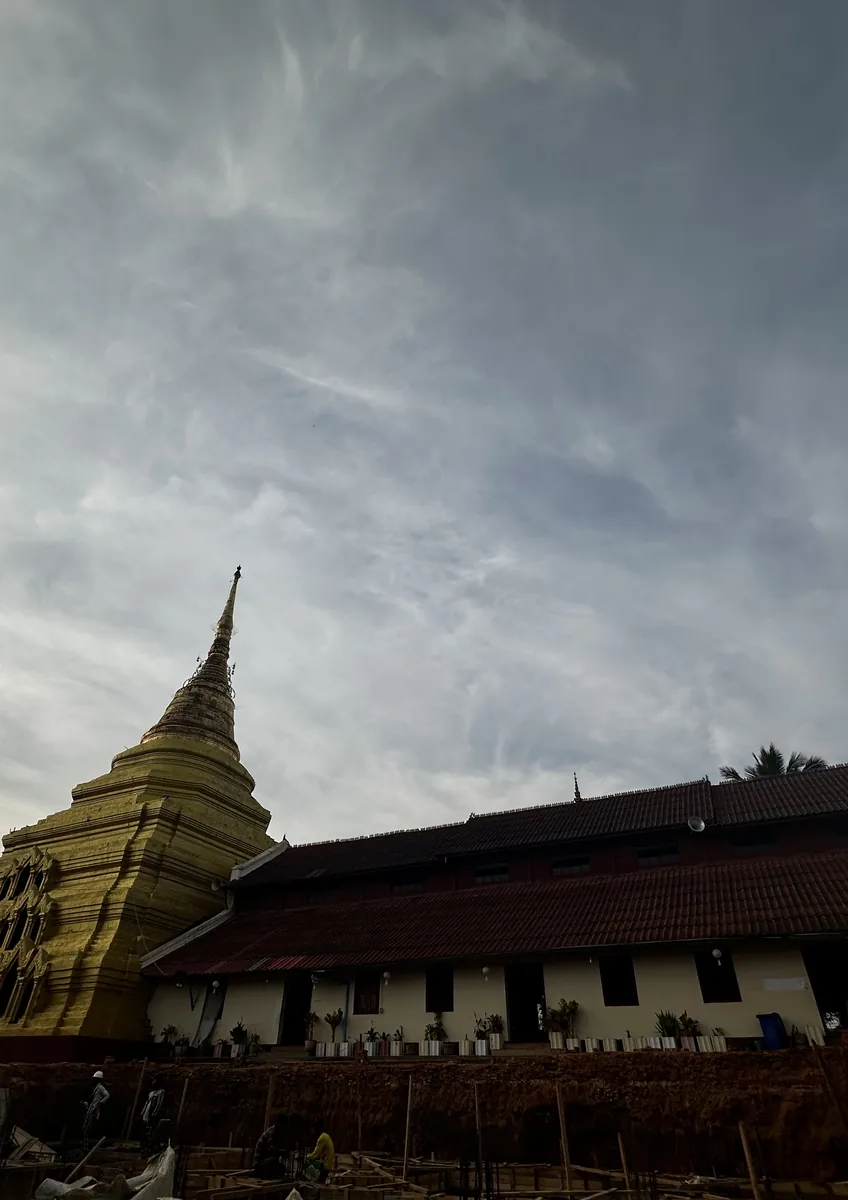
Kengtung is a treasure trove of cultural heritage. Begin your exploration by seeking out the remnants of the ancient Sawbwa's Royal Palace (หอหลวงคุ้มเจ้าฟ้าโบราณ). While the original wooden palace was lost to fire, its historical significance as the seat of the Tai Khün rulers remains palpable, with some foundations and a sense of its former grandeur still present. Wander through the city to discover exquisite Tai Khün Buddhist monasteries such as Wat Jong Kham and Wat Jong Su, adorned with intricate wood carvings, golden spires, and murals that tell tales of devotion and artistry. The city's '3 Hills' offer panoramic views, while the '9 Lakes' provide tranquil spots for reflection. Don't miss the vibrant morning market, a microcosm of local life where diverse ethnic groups converge, offering a fascinating cultural immersion.
3. Local Gastronomy & Morning Market Delicacies: A Taste of Shan State
Kengtung's culinary scene is a delightful journey for the palate, deeply rooted in Tai Khün traditions. The morning market is the best place to sample authentic local dishes. Be sure to try Khao Ram Fuen, a savory pea-flour rice jelly often served with a spicy sauce and fresh vegetables, offering a unique texture and flavor. Another local favorite is Khao Soi Noi, a steamed Shan rice crepe filled with minced pork or vegetables, a lighter, yet equally delicious, cousin to the more famous Khao Soi. For a truly unique snack, look for Khai Paen, crispy seasoned Mekong weed, a specialty of the region. And of course, no visit to Shan State is complete without savoring the local tea culture, particularly the robust Pu'er tea, often enjoyed in traditional tea houses.
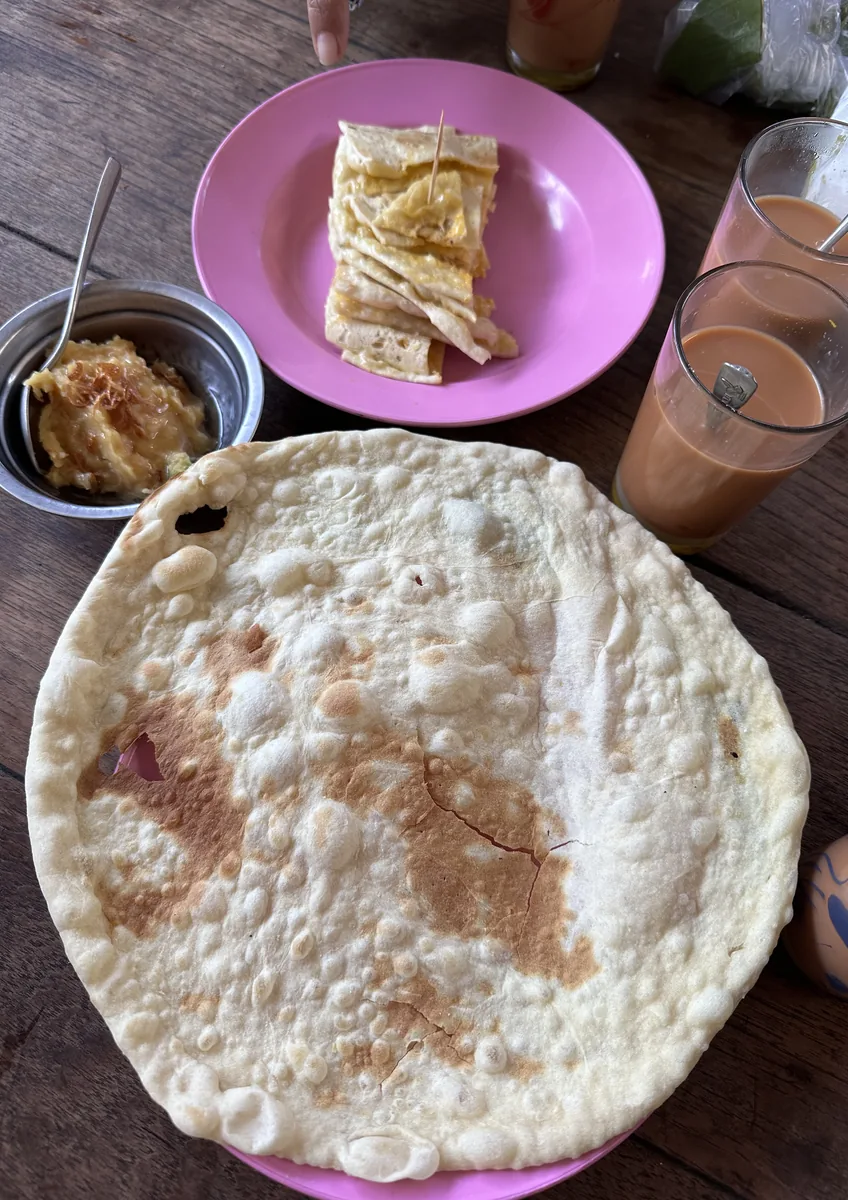 Authentic Regional Flavors & Morning Market Sights
4. Practical Travel Guide, Borders & Insider Tips: Navigating Kengtung
Traveling to Kengtung requires some planning. Most international visitors enter Myanmar via a visa-on-arrival or e-visa, but for overland travel from Thailand (Mae Sai/Tachileik), specific border permits or pre-arranged tours might be required. Always check the latest visa and border regulations before your trip. The local currency is the Myanmar Kyat (MMK), though Thai Baht and USD are sometimes accepted in border areas. Getting around Kengtung is easy; walking, cycling, or hiring a local tuk-tuk are popular options. The best time to visit is during the cool, dry season from October to February. Remember to dress modestly when visiting temples and always ask permission before taking photos of people. Embrace the slower pace, engage with the friendly locals, and allow yourself to be enchanted by Kengtung's timeless allure.
Frequently Asked Questions (FAQs)
Q: What is the best way to get to Kengtung from Thailand?
A: The most common route is overland from Mae Sai, Thailand, crossing into Tachileik, Myanmar. From Tachileik, you can arrange transport to Kengtung. Always check current border regulations and visa requirements for Myanmar before travel, as special permits may be needed for this route.
Q: What is 'Tai Khün' culture?
A: Tai Khün refers to a distinct ethnic group within the larger Shan people, primarily found in Kengtung, Shan State. Their culture is characterized by unique language, traditional dress, intricate Buddhist art and architecture, and specific culinary traditions that set them apart.
Q: Are there still traces of the Sawbwa's palace in Kengtung?
A: While the original wooden royal palace of the Sawbwa (hereditary Shan chief) was destroyed by fire, the site still holds historical significance. Visitors can see some remnants of the foundations and imagine the former grandeur, learning about the powerful rulers who once governed this region.
Q: Is it safe to travel to Kengtung?
A: Kengtung is generally considered safe for tourists, especially within the city and well-traveled routes. However, it's always wise to stay informed about the current political situation in Myanmar and follow local advice. Avoid venturing into remote or restricted areas without official guidance.
Plan Your Mekong Journey with iChiangRai
Looking for a hassle-free, immersive cultural expedition across Northern Thailand, Xishuangbanna, Kengtung, or Laos? The iChiangRai team provides customized private VIP van charters, English-speaking guides, seamless border logistics, and tailored cultural itineraries.
👉 Official Portal: https://www.ichiangrai.com
📧 Email Inquiry: [email protected]
💬 WhatsApp / LINE: @nuiichiangrai
iChiangRai — Dedicated Specialists in Greater Mekong Subregion Overland Expeditions.
Ready to book this journey?
Please contact our team or submit a booking request for confirmation.