NUS – CRRU – iChiangrai Field Study Project
โครงการความร่วมมือทางวิชาการและการเรียนรู้ภาคสนามพหุภาคี: เชื่อมโยงมหาวิทยาลัยระดับโลก (NUS) สถาบันอุดมศึกษาท้องถิ่น (CRRU มรร.) เครือข่ายภาคประชาสังคม และชุมชนชาติพันธุ์ สู่การพัฒนาที่ยั่งยืนในอนุภูมิภาคลุ่มน้ำโขง
The Power of Multi-Stakeholder Partnership (พลังแห่งภาคีเครือข่ายพหุภาคี)
The NUS Field Studies Programme in Northern Thailand is not an ordinary student excursion or a superficial study tour. For more than a decade, it has evolved into a deeply institutionalized, transformative multi-stakeholder ecosystem. Rooted in empirical fieldwork, political ecology, and community-based experiential learning, this initiative bridges world-class scholarly inquiry from the National University of Singapore (NUS) with the grassroots responsiveness of Chiang Rai Rajabhat University (CRRU), the professional ground-facilitation of iChiangrai Co., Ltd., and the lived realities of indigenous upland villages.
By transforming conventional classroom teaching into immersive field encounters, the project demonstrates how inter-institutional partnerships (ภาคีเครือข่าย) unlock sustainable solutions for regional challenges—ranging from water governance and transboundary Mekong impacts to ethnic cultural preservation and rural youth livelihoods.
1. Global-Local Academic Bridge
Direct institutional collaboration between NUS (Department of Geography) and CRRU (Western Languages Program & LIGA). Combining world-class research methodology with deep local cultural knowledge.
2. The "Thai Buddy" Model
Pairing Singaporean undergraduates directly with CRRU and Shan student buddies. Breaking language barriers, fostering mutual learning, shared reflection, and lifelong cross-cultural friendships.
3. Indigenous Community Immersion
One-week intensive village homestays in Mae Suai District (Ban Mae Yang Min, Ban Phaya Kong Dee). Living with Karen, Lahu, Akha, and Lisu families, learning traditional conservation practices.
4. Civil Society & Social Enterprises
Alliances with RCSD/CESD (Chiang Mai University), IMPECT, KNCE, and social enterprises like Akha Ama Coffee (Lee Ayu Chuepa) showcasing fair-trade agroforestry and ethnic empowerment.
5. Ethical Ground Facilitation: iChiangrai Co., Ltd.
Operating as the essential logistical and cultural conduit: ensuring field safety, transparent community-based economic returns, ethical homestay protocols, and seamless transboundary expedition coordination across Thailand, Laos, and the Greater Mekong Subregion.
Documenting 25 Years of Fieldwork in Southeast Asia
Comprehensive monographs detailing student research findings, hydro-social mapping, ethnic livelihoods, and reflective essays. Freely available for scholars, students, and practitioners.
🤝 Academic Inquiries & Research Collaborations
These monographs serve as reference materials for universities, researchers, and local practitioners. For citation inquiries, print edition requests, or future field study collaborations:
"A Perspective on Field-Based Learning"
"In an increasingly complex and interconnected world, field-based learning stands out as one of the most powerful educational approaches we can offer. It moves beyond the classroom and into the dynamic, messy, and deeply human contexts where knowledge is lived, not just learned. In the field, students are not passive recipients of information — they are active participants, co-creators, and observers embedded in real-world settings."
"Field-based learning also challenges the boundaries of conventional academic knowledge. It requires students to navigate uncertainty, to sit with ambiguity, and to reflect deeply on what it means to 'know' something. It teaches humility — how to listen, observe, and ask questions without easy answers. Whether students are tracing water flows, mapping plastic waste, engaging with indigenous rituals, or simply walking with local guides, they are exposed to perspectives and practices that cannot be captured in textbooks."
"Perhaps most importantly, the field is where theory meets practice. It is where abstract concepts — like sustainability, development, health, or justice — take on tangible forms... Field-based learning is not just about content — it is about transformation. It invites students to be present, to be challenged, and to be changed."
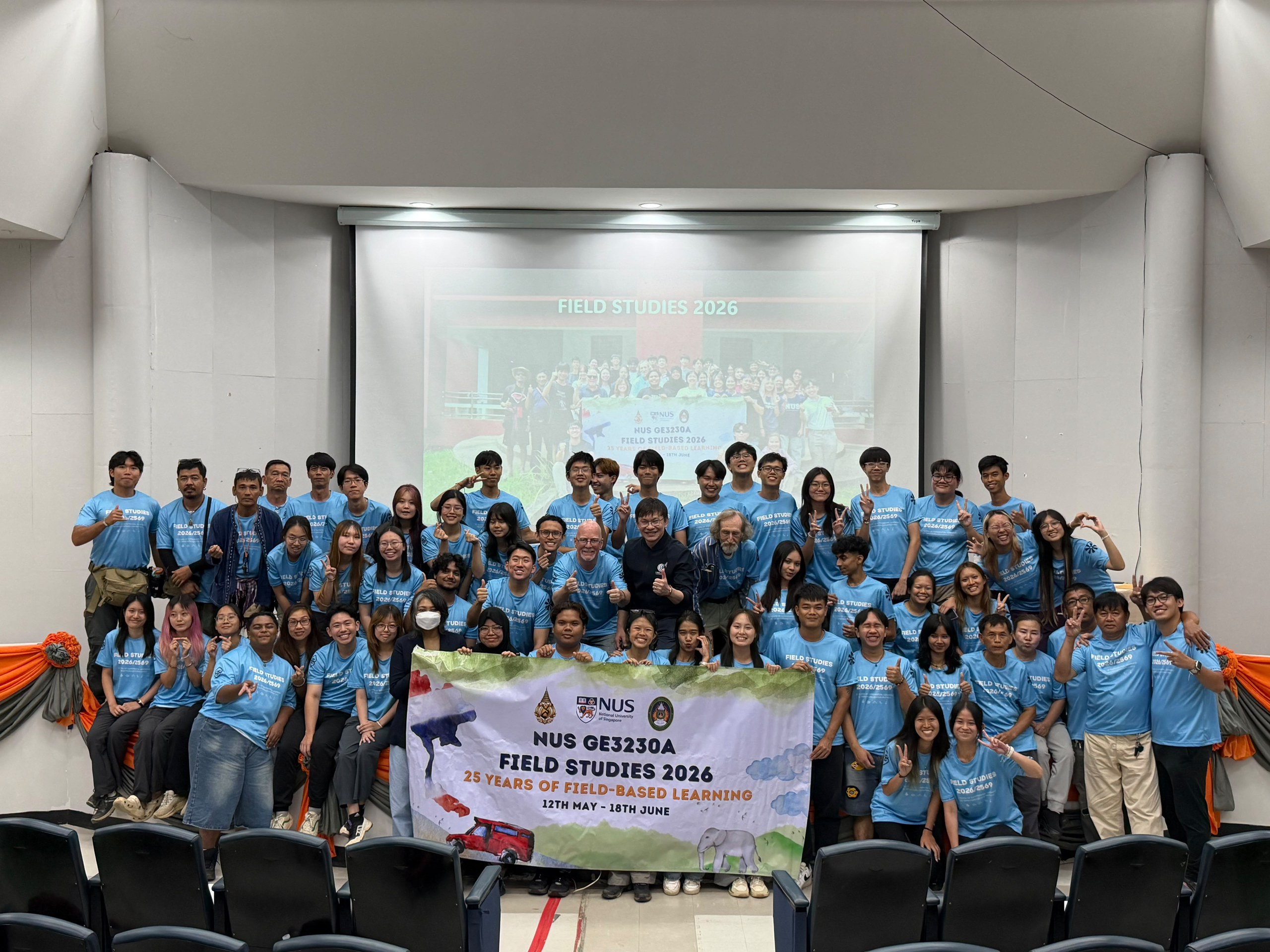
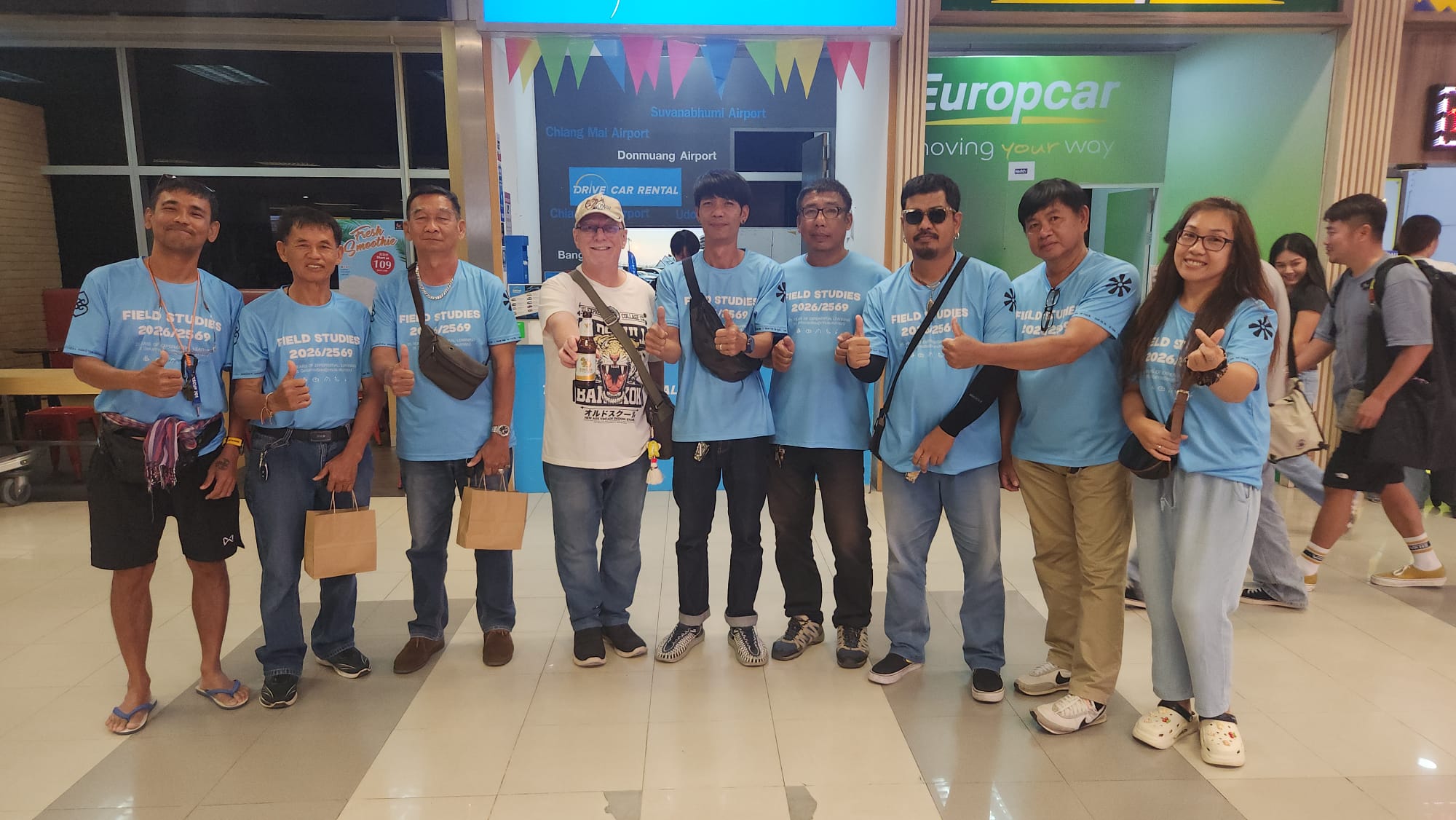
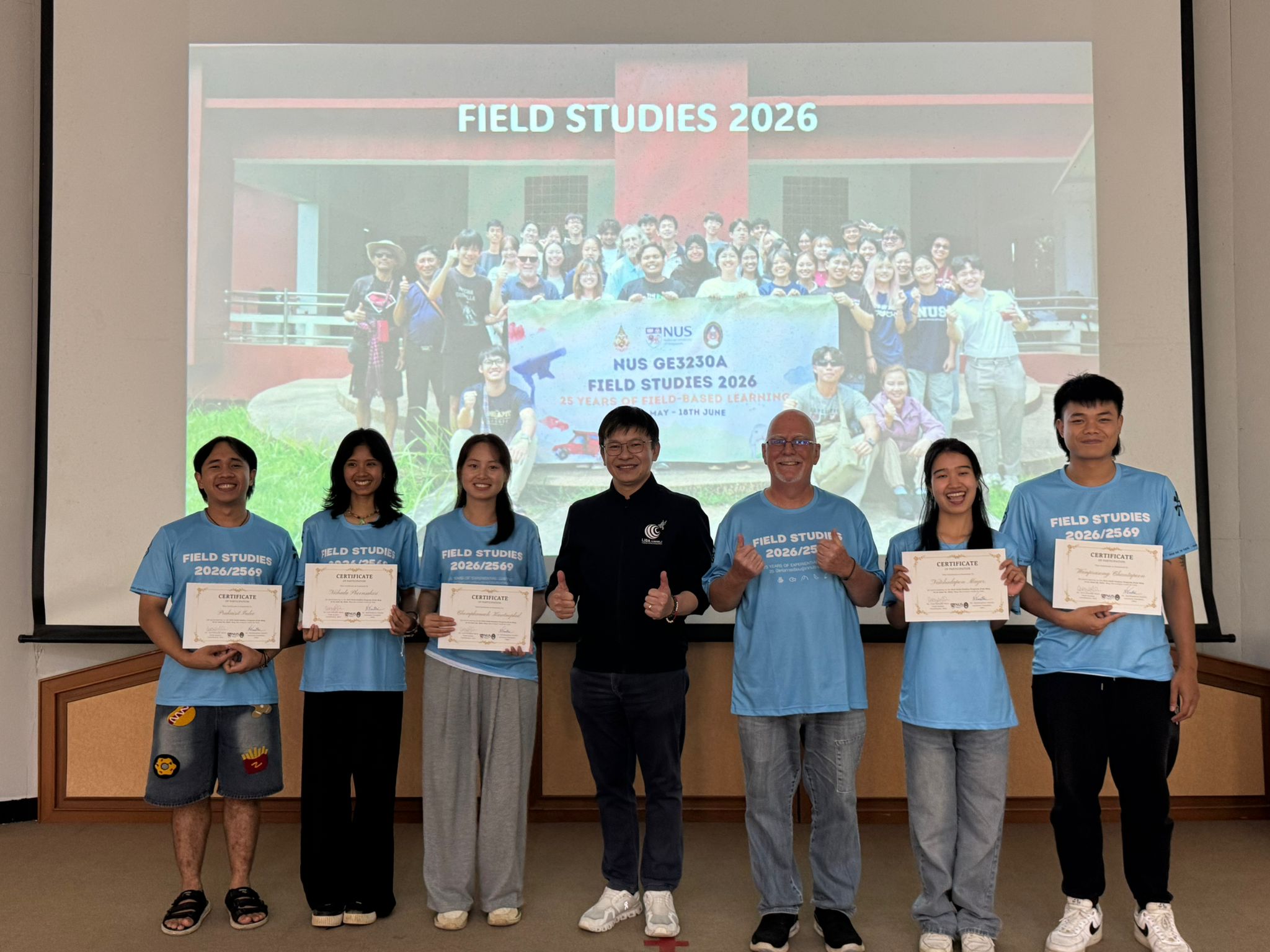
NUS GE3230A Field Studies 2026: 25 Years of Field-Based Learning Milestone
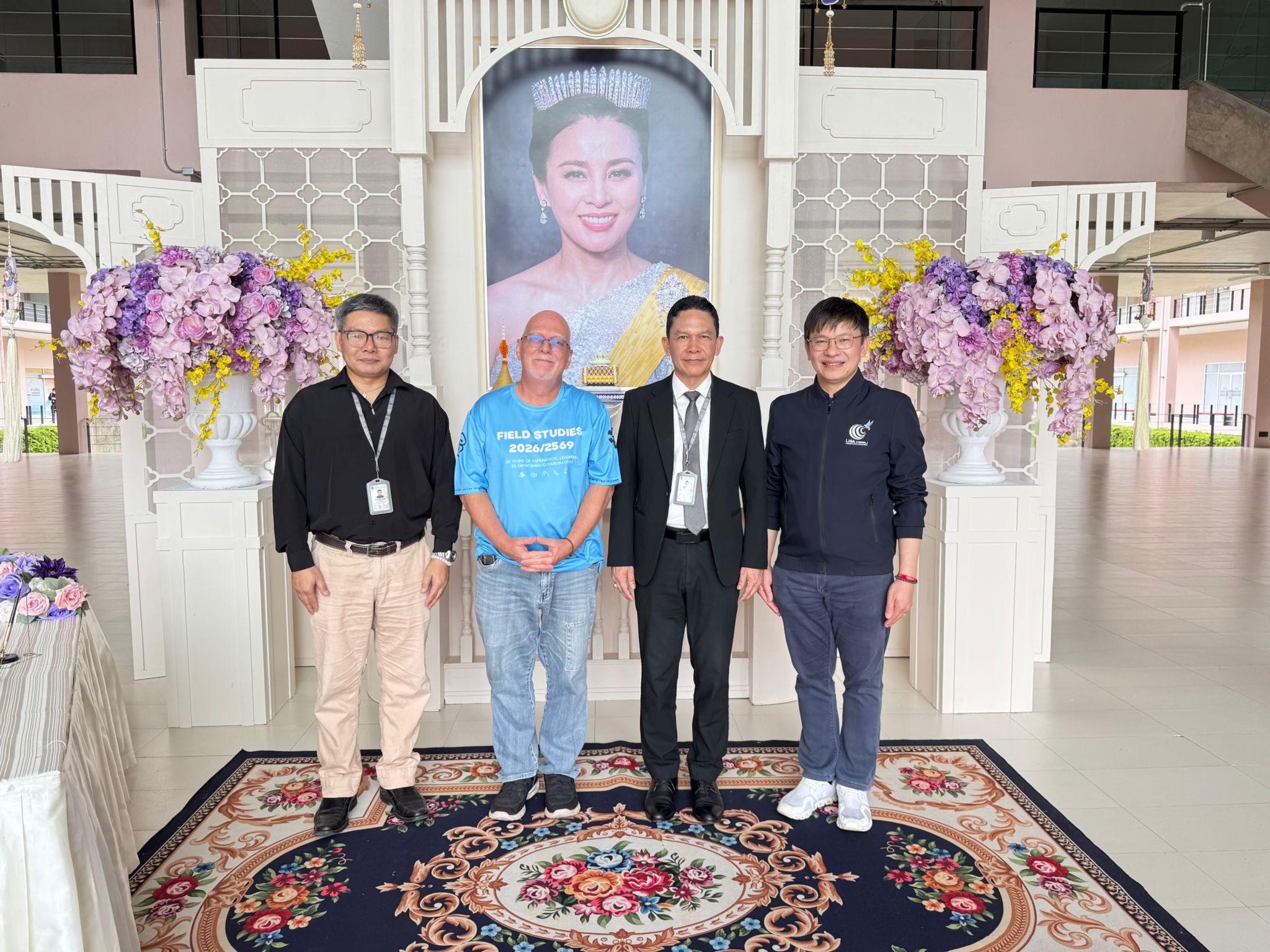
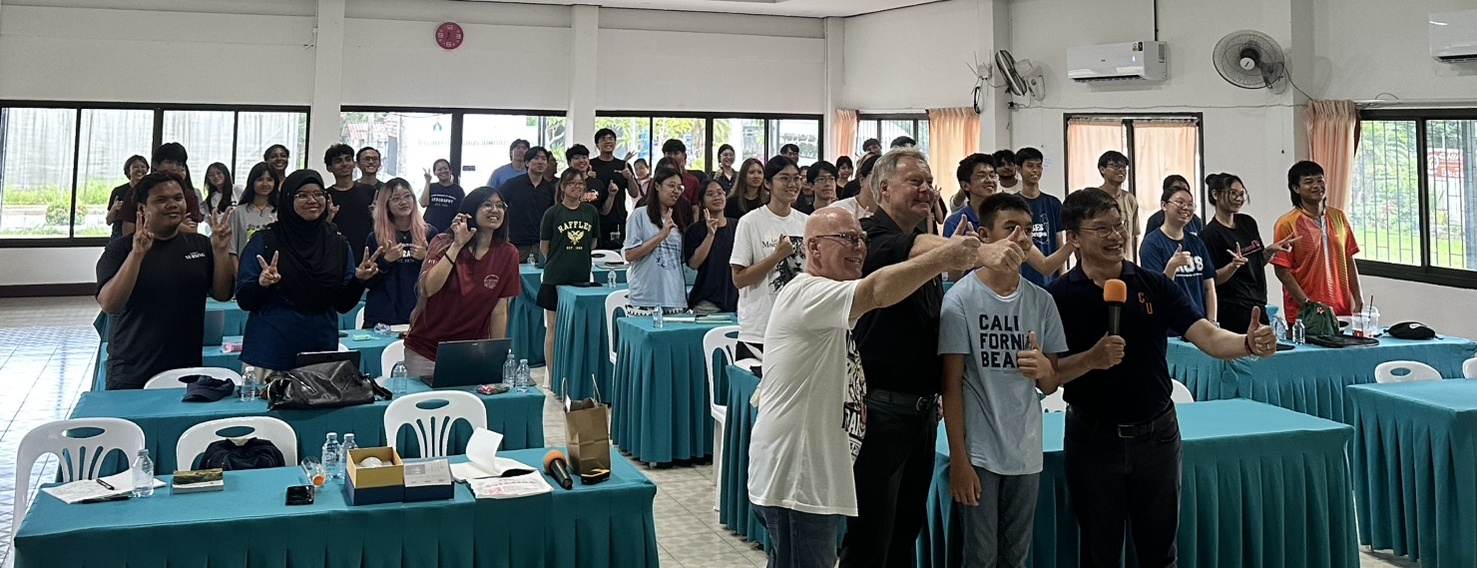
The Field Studies 2026 (2569) expedition marks the historic 25th Anniversary of the NUS Field Studies in Southeast Asia, celebrating an unbroken quarter-century tradition of experiential learning in Northern Thailand. The partnership brings together Singaporean undergraduates and CRRU student buddies under the coordination of CRRU's Language Institute and Global Affairs (LIGA) and the Western Languages Program.
Through intensive community-based field investigations, rural homestays, and participatory action research in Mae Suai and along the Mekong River, the program bridges academic rigor with grassroots realities — creating mutual understanding, enduring international friendships, and measurable community empowerment.
CRRU Thai Buddies: Local Bridges, Shared Learning
The CRRU Thai Buddies are central to the programme’s success. Working alongside NUS participants, they help turn a field visit into a genuine exchange of knowledge, language and friendship.
Helping participants communicate respectfully and understand local contexts.
Supporting interviews, observations, group activities and community engagement.
Building mutual confidence, cross-cultural understanding and lasting international friendships.
Key Field Research Pillars & Community Actions
Pilot investigations conducted by joint Singaporean and Thai student teams in Mae Suai and the Mekong River basin:
💧 Upland Water Security & Infrastructure
Mapping gravity-fed pipe systems, seasonal water scarcity, and water storage in Ban Mae Yang Min to support future community water engineering.
🏥 Rural Healthcare & Environmental Factors
Investigating healthcare accessibility, village health volunteers (อสม.), and socioeconomic conditions in remote highland settlements.
🔥 Indigenous Firebreaks & Land Demarcation
Examining traditional "Lue Mee To" seasonal firebreaks in Karen communities (Hin Lad Nai, Ban Mae Yang Min) as evidence of land stewardship.
☕ Ethnic Specialty Coffee Entrepreneurship
Analyzing shade-grown coffee agroforestry, fair trade supply chains, and youth entrepreneurship through case studies like Akha Ama Coffee.
🌊 Mekong Biophysical Geopolitics
Evaluating rapid-blasting impacts, fluctuating river hydro-social regimes, and transboundary fisheries in Chiang Khong, Houayxay, and Chiang Saen.
🎓 Youth Education & Livelihood Pathways
Understanding the aspirations, bilingual skills, and career pathways of upland youth navigating tradition and modern regional integration.
Collaborate with iChiangrai on Field Studies & Academic Research
We invite international universities, geography departments, research institutions, and student exchange programs to partner with us in developing experiential field learning modules across Chiang Rai and the Mekong region.
iChiangrai Co., Ltd. (บจ.ไอเชียงราย)
TAT License No. 21/00869
Chiang Rai, Northern Thailand
+66 81-885-4644