Kengtung (Chiang Tung): Journey into the Ancient Tai Khün Capital of 3 Peaks, 7 Towns, and a Royal Legacy
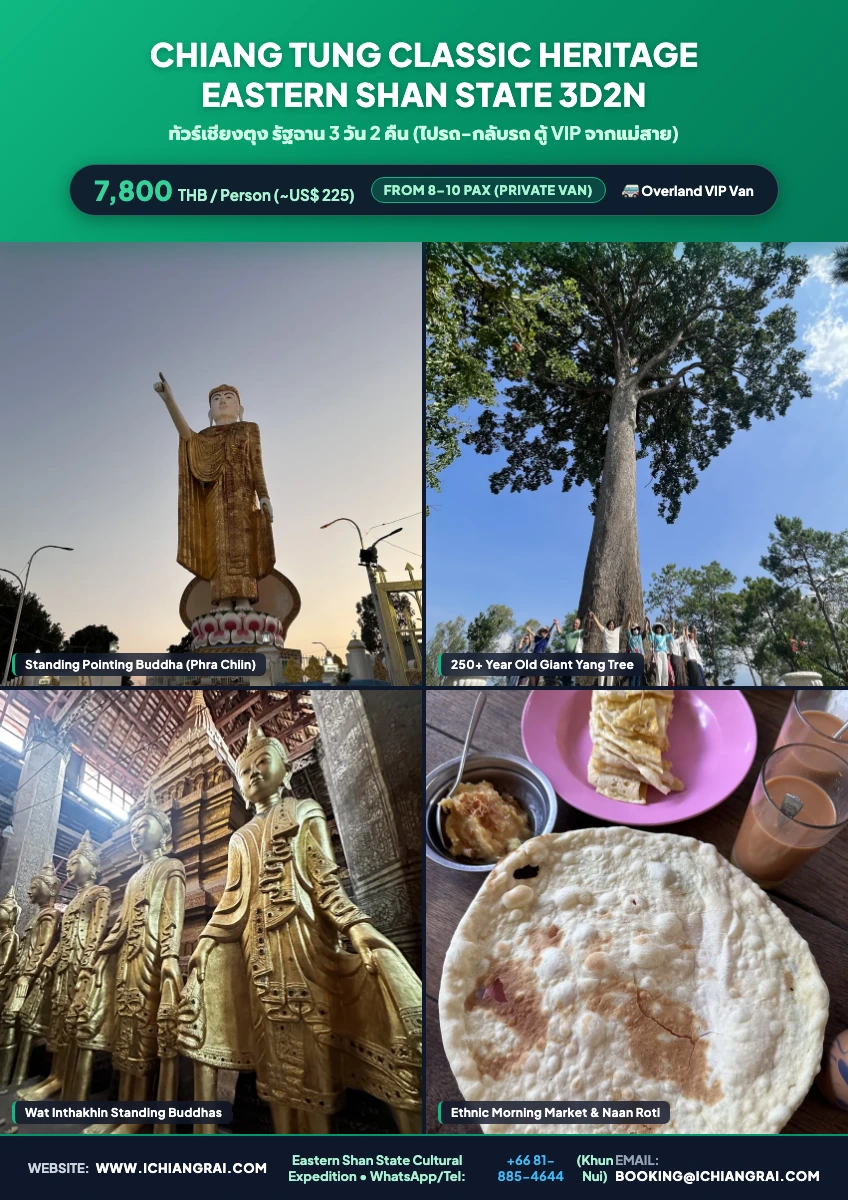
📌 1-Minute Trip Highlights
- Explore the ancient city layout: '3 Peaks, 7 Towns, 9 Lakes, 12 Gates'.
- Discover the historical site of the Sawbwa's Royal Palace.
- Immerse in rich Tai Khün culture and ancient Buddhist monasteries.
- Savor unique Shan State cuisine at the bustling morning market.
- Witness a blend of traditional Tai Khün and British colonial architecture.
- Best time to visit: October to February (dry, cooler season).
- Transport options: Overland from Mae Sai/Tachileik, local tuk-tuks, walking.
1. Journey & First Impressions
The journey to Kengtung is an adventure in itself, often beginning with an overland crossing from Mae Sai, Thailand, into Tachileik, Myanmar. As you leave the bustling border town behind and ascend into the Shan hills, the landscape transforms, hinting at the timelessness that awaits. Upon arrival, Kengtung immediately captivates with its blend of ancient traditions and a laid-back, welcoming atmosphere. The air is often cool, especially in the mornings, carrying the scent of woodsmoke and local delicacies, while the streets hum with the gentle rhythm of daily life, a stark contrast to the more frenetic pace of other Southeast Asian cities.
🎬 Watch Travel Video: Kengtung (Chiang Tung): Journey into the Ancient Tai Khün Capital of 3 Peaks, 7 Towns, and a Royal Legacy
2. Must-Visit Cultural Landmarks & Heritage Spots
Kengtung's unique urban planning is a historical marvel. The 'City of 3 Peaks, 7 Towns, 9 Lakes, and 12 Gates' (เมือง 3 จอม 7 เชียง 9 หนอง 12 ประตู) refers to its original defensive and spiritual layout. Explore the remnants of its ancient city walls and imagine the bustling life within its 12 gates. At the heart of its royal past lies the site of the former Sawbwa's Royal Palace (หอหลวงคุ้มเจ้าฟ้าโบราณ). While the original wooden palace was tragically destroyed by fire, its historical footprint and the stories of the Tai Khün rulers, the Sawbwas, resonate deeply. Nearby, you'll discover magnificent ancient Buddhist monasteries like Wat Jong Kham and Wat Maha Myat Muni, showcasing exquisite Tai Khün architectural styles with their multi-tiered roofs and intricate carvings. Don't miss the charming British colonial-era buildings scattered throughout the town, silent witnesses to a different chapter of Kengtung's rich history, offering a fascinating architectural contrast to the traditional Shan designs.
3. Local Gastronomy & Morning Market Delicacies
No visit to Kengtung is complete without immersing yourself in its culinary delights, best experienced at the vibrant morning market. Here, the flavors of the Shan State come alive. Sample local specialties such as Khao Ram Fuen, a savory pea-flour rice jelly often served with a spicy sauce and fresh herbs, or Khao Soi Noi, a delicate steamed Shan rice crepe filled with minced pork or vegetables. The region is also known for its tea culture, particularly Pu'er tea, cultivated in the surrounding hills. Enjoy a warm cup while observing the lively market scene, where vendors offer everything from fresh produce and exotic spices to traditional Tai Khün textiles and handicrafts. It's a feast for both the palate and the senses.
4. Practical Travel Guide, Borders & Insider Tips
Traveling to Kengtung typically involves crossing the land border from Mae Sai, Thailand, to Tachileik, Myanmar. While a Myanmar e-visa is generally required for international travelers, specific border passes may be available for limited stays in the border region. Always check the latest visa regulations with the Myanmar embassy or consulate before your trip. From Tachileik, shared taxis or private vehicles are available for the scenic, albeit sometimes challenging, drive to Kengtung. Within Kengtung, the town is easily navigable on foot, but local tuk-tuks are readily available for longer distances. The best time to visit is during the dry season, from October to February, when the weather is cooler and more pleasant. Myanmar Kyat (MMK) is the local currency, though Thai Baht may be accepted in border areas. Remember to carry smaller denominations and be prepared for limited ATM access outside major towns. Embrace the slower pace, engage with the friendly locals, and allow yourself to be enchanted by Kengtung's timeless charm.
Frequently Asked Questions (FAQs)
Q: How do I get to Kengtung from Thailand?
A: Most international travelers cross the land border from Mae Sai, Thailand, to Tachileik, Myanmar. From Tachileik, you can hire a shared taxi or private vehicle for the scenic journey to Kengtung. Ensure you have the necessary Myanmar visa (e-visa is common) before attempting the crossing.
Q: What is the 'City of 3 Peaks, 7 Towns, 9 Lakes, 12 Gates'?
A: This refers to Kengtung's ancient urban planning and defensive structure. It describes the three prominent hills, seven main 'chiang' (towns or districts), nine significant 'nong' (lakes or ponds), and the twelve original city gates that defined the historic Tai Khün capital.
Q: What local dishes should I try in Kengtung?
A: Definitely try Khao Ram Fuen (savory pea-flour rice jelly) and Khao Soi Noi (steamed Shan rice crepe). The morning market is the best place to sample these and other authentic Tai Khün and Shan State delicacies, along with local Pu'er tea.
Plan Your Mekong Journey with iChiangRai
Looking for a hassle-free, immersive cultural expedition across Northern Thailand, Xishuangbanna, Kengtung, or Laos? The iChiangRai team provides customized private VIP van charters, English-speaking guides, seamless border logistics, and tailored cultural itineraries.
👉 Official Portal: https://www.ichiangrai.com
📧 Email Inquiry: [email protected]
💬 WhatsApp / LINE: @nuiichiangrai
iChiangRai — Dedicated Specialists in Greater Mekong Subregion Overland Expeditions.
Ready to book this journey?
Please contact our team or submit a booking request for confirmation.